When the first cold snap hits, most of us reach straight for the thermostat. But turning the heating up only helps if your home can actually hold on to that warmth. In a lot of Bristol houses, especially older terraces and 1930s semis, heat is quietly leaking out through gaps, single glazing and, most of all, the roof.
The good news is that keeping the heat in doesn’t have to mean big spending. Some of the fixes below cost nothing at all, others are cheap weekend jobs, and a couple are bigger improvements that pay for themselves over a few winters. Here’s where we’d start.
Start at the Top: Your Loft
Heat rises, so the roof is where an uninsulated home loses the most warmth. The Energy Saving Trust estimates that around a quarter of the heat in an uninsulated home is lost through the roof. That’s why the loft is the first place we’d look in any house, before windows or doors.
Pop your head into the loft with a torch and have a look at what’s up there. If you can see the tops of the ceiling joists, your insulation is too thin. The current recommended depth for mineral wool insulation is around 270mm, which is well above most joists. Lots of older homes have 100mm or less, laid decades ago and since squashed flat by boxes and suitcases.
Topping it up is one of the most cost-effective improvements you can make. We’ve written a full guide on how loft insulation improves your home’s energy efficiency if you want to go into more detail.
Don’t Squash Your Insulation With Storage
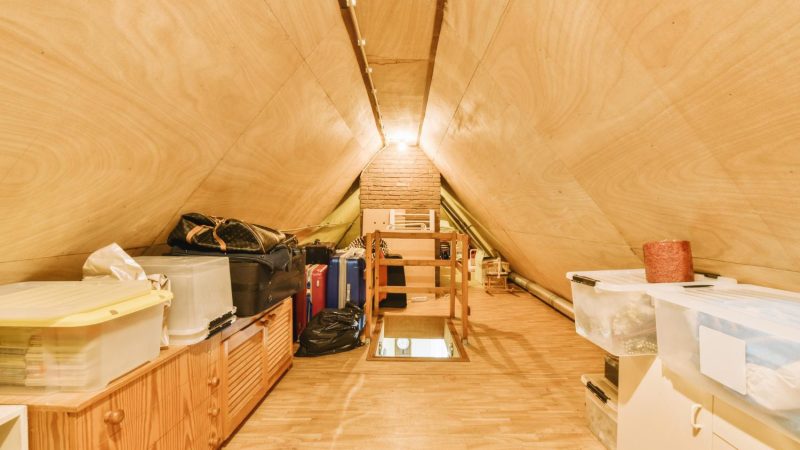
This is one we see all the time. People lay chipboard straight on top of the joists for storage, which crushes the insulation underneath it. Squashed insulation traps far less air, and trapped air is what does the insulating.
If you want to use your loft for storage and keep it warm, the answer is raised boarding, which lifts the floor above the insulation so it keeps its full depth. Our loft boarding service is designed for exactly this.
Check the Loft Hatch
An old loft hatch is often just a thin board sitting loosely in a frame, with nothing on top and gaps all round. Warm air from the landing goes straight up through it into the cold loft.
A cheap fix is to stick a piece of insulation board to the top of the hatch and add draught strip around the frame. A better long-term fix is an insulated hatch, which usually comes with a properly fitted loft ladder and makes getting up there safer too.
Stop the Draughts
Draughts are heat escaping and cold air getting in, and you can usually feel them. On a windy day, hold the back of your hand around:
- Window frames and sashes
- External doors, including the letterbox and keyhole
- Gaps between floorboards and along skirting boards
- Unused fireplaces and chimneys
- Old pipe and cable holes through outside walls
Most of these can be sorted with self-adhesive foam strip, brush strips, a letterbox flap or a chimney balloon, all of which you’ll find in any DIY shop. The Energy Saving Trust’s draught-proofing advice is a good checklist if you want to work through the house room by room. Just don’t block air bricks or trickle vents, as homes still need some ventilation to avoid damp and condensation.
Make Better Use of Your Heating
A few small changes to how you use your heating can make a real difference:
- Bleed your radiators. If the top of a radiator is cold while the bottom is hot, there’s air trapped in it. A radiator key costs a couple of pounds.
- Use your timer and thermostatic radiator valves. Heat the rooms you’re using, when you’re using them, and turn the valves down in spare rooms.
- Move furniture away from radiators. A sofa pushed up against a radiator soaks up the heat that should be warming the room.
- Fit radiator reflector panels behind radiators on outside walls so less heat goes into the wall.
Curtains, Blinds and Doors
Close curtains and blinds as soon as it gets dark, and open them in the morning to let any sunshine in. Thick or thermal-lined curtains make a noticeable difference on single-glazed or older windows. Keep internal doors closed too, so the heat stays in the rooms you’re using rather than drifting up the stairs.
Look After Yourself, Not Just the House
The NHS recommends keeping the rooms you spend most time in at around 18°C or more, especially if you’re older or have a health condition. Their keep warm, keep well page has sensible advice on staying warm safely over winter.
Check for Help With the Cost
If your home needs bigger improvements, you may be able to get help paying for them. The government’s energy efficiency advice page lists the current schemes, including the Great British Insulation Scheme, which can cover loft insulation for eligible households.
Thinking Longer Term? Think About the Loft
If you’re already planning to convert your loft, it’s worth knowing that a new loft conversion has to meet today’s building regulations for insulation. That means the roof gets properly insulated as part of the job, so the room underneath often feels warmer too. You get a new room and a warmer house in one go.
If you’d like a rough idea of what that would cost, try our loft conversion cost calculator. It gives you an instant price based on your loft type and size. Or have a look at our full loft conversion service and the other loft services we offer across Bristol.
Want someone to take a look at your loft before winter properly sets in? Get in touch and we’ll arrange a free survey.