You’ve decided you want to convert your loft. Great call. But then someone mentions a ‘hip-to-gable’ and suddenly it sounds like a yoga move rather than a building project. Don’t worry — you’re not alone! The different types of loft conversion can sound confusing at first, but once you understand the basics, it’s pretty straightforward.
This guide is here to walk you through the most common types of loft conversion, explain what each one actually means in plain English, and help you figure out which one might work for your Bristol home. By the end of it, you’ll be throwing around terms like ‘dormer’ and ‘mansard’ like you’ve been doing it for years!
Velux (Roof Light) Loft Conversion
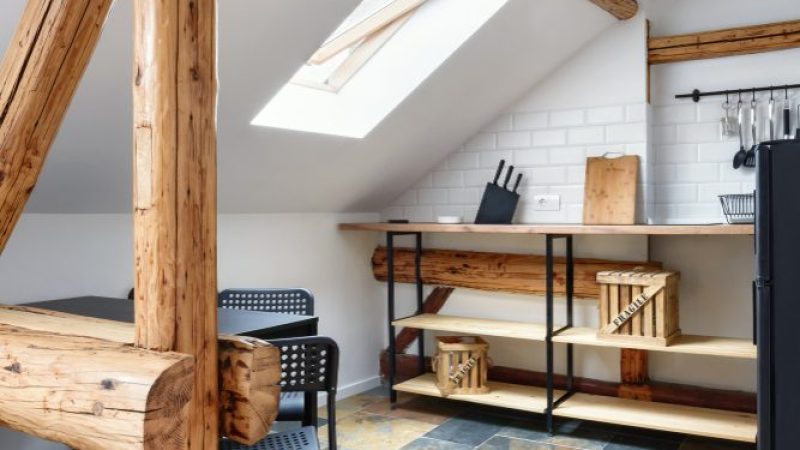
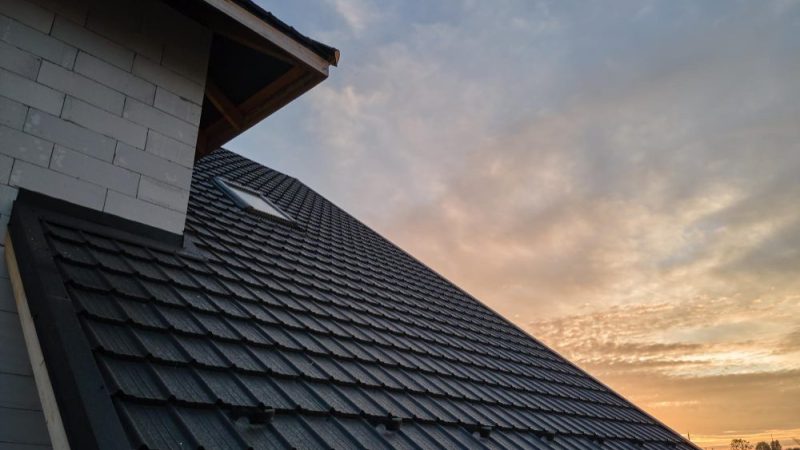
This is the most straightforward type of loft conversion — and usually the most affordable. Rather than changing the shape of your roof at all, a Velux conversion simply adds roof windows (you’ve seen them, those windows that sit flush with the roof tiles) to bring in natural light and make the space liveable.
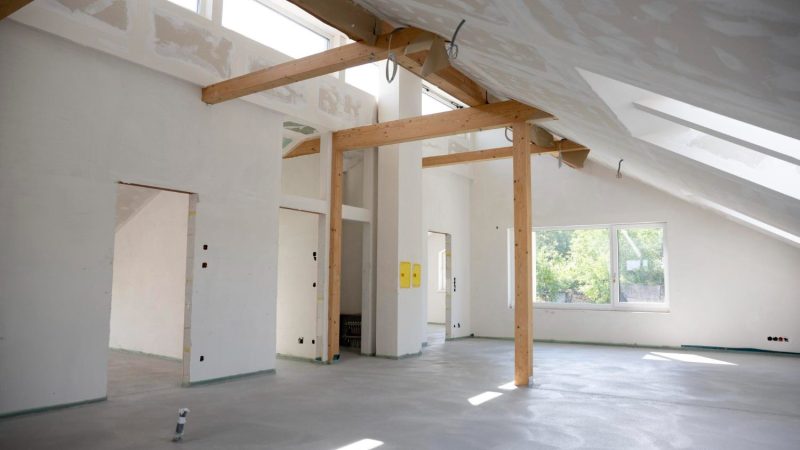
Imagine your loft as it is right now. A Velux conversion doesn’t touch the roof structure — it just opens it up with light and adds a proper floor, insulation, and a staircase. If your loft already has decent headroom (usually 2.2 metres or more at the highest point), this could be all you need.
It’s a popular choice for Bristol homes in areas like Bishopston and Horfield, where the roof pitch is generous and the space is already there — it just needs unlocking.
Best for: Homes with a good existing roof pitch and plenty of natural headroom. Ideal if you’re looking to keep costs down. See our full dormer vs Velux comparison for a closer look at how the two stack up.
Dormer Loft Conversion
This is the most popular type of loft conversion in the UK — and for good reason. A dormer extends outward from the slope of your roof, creating a vertical wall and a flat (or slightly pitched) roof section. The result? A lot more usable floor space and proper full-height headroom.
Think of it like adding a box to the back of your roof. From the street, you often can’t even see it — but inside, it transforms a cramped loft into a proper room.
Dormers are incredibly versatile. They work on terraced houses, semis, and detached homes. They’re the go-to choice for a lot of our clients across Bristol — whether they’re after a new bedroom in Southville or a home office in Redland.
Best for: Most house types. Great all-round option if you want maximum space without major structural work.
Hip-to-Gable Loft Conversion
Right, this is the one that sounds strange! A ‘hipped’ roof is one where all four sides slope downward to the walls — like a pyramid shape. If your home has this (common in semis and detacheds), the sloping side wall is called the ‘hip’. A hip-to-gable conversion replaces that sloping hip with a vertical wall (a ‘gable’), instantly creating a much bigger loft space.
To put it simply: if you live in a semi-detached house with a sloping roof on the side, a hip-to-gable conversion squares it off and gives you a proper room-sized loft to work with. It’s often combined with a rear dormer for maximum space.
This type of conversion is especially common on 1930s semis — of which Bristol has plenty, particularly around areas like Knowle and Brislington.
Best for: Semi-detached and detached houses with a hipped roof. If you’ve always felt your loft was too small, this is often the answer.
Mansard Loft Conversion
A mansard conversion is the most significant structural change of the lot. It involves replacing one or both sloping sides of your roof with a nearly vertical wall (usually at around 72 degrees), with a flat roof on top. The result is essentially a whole new storey added to your home.
These are commonly seen on Victorian terraced houses — and Bristol, with its stunning Victorian streets around Clifton and Cotham, has plenty of them. A well-executed mansard can completely transform the look and value of a period property.
Because it’s a bigger structural project, mansard conversions almost always require planning permission. But the space you gain is extraordinary — we’re talking proper full-height rooms across the entire footprint of the house.
Best for: Victorian terraces and properties where maximum space is the priority. Also great for adding serious kerb appeal and value.
L-Shaped Dormer Loft Conversion
If your home has a rear extension at ground floor level, you might be a great candidate for an L-shaped dormer. This combines two dormers — one on the main roof and one over the rear extension — to create an L-shape when viewed from above.
The result is a seriously large loft conversion with a huge amount of usable space. It’s particularly popular with Victorian and Edwardian terraces in Bristol — exactly the kind of housing stock you’ll find around Easton, St Andrews, and Montpelier.
Best for: Properties with a rear extension. If space is the main goal, this one delivers the most square footage of any conversion type.
So Which One is Right for Your Bristol Home?
Honestly? The best way to find out is to have someone take a look. Every home is different — the roof pitch, the existing headroom, the style of the property, whether you’re in a conservation area — all of these things affect what’s possible and what’ll give you the best result. If you want to check the basics yourself first, our guide on whether your loft is suitable for conversion walks through what we actually look at.
At ST Lofts, we’ve converted lofts right across Bristol — from Victorian terraces in Clifton to 1930s semis in Henleaze. We’ll come and have a look, tell you exactly what’s possible, and give you a clear, honest quote. No jargon, no pressure.
Get in touch today — your dream loft might be closer than you think!