One of the most common questions we get asked at ST Lofts is how much a loft conversion costs. It’s a completely fair question, and the honest answer is that it depends. The cost of a loft conversion varies considerably depending on a range of factors, and understanding what drives the price up or down helps you plan your project realistically and make informed decisions about where to spend and where to save.
Here’s a breakdown of every factor that affects loft conversion costs in Bristol.
1. The Type of Conversion
The single biggest factor affecting cost is the type of conversion you choose. As a general guide, costs increase with the complexity and scale of the structural work involved.
A Velux or roof light conversion sits at the more affordable end. The existing roof structure stays largely intact, Velux windows are installed into the roof slope and the internal fit-out follows. This is the simplest type of conversion structurally and therefore the most cost-effective.
A dormer conversion involves building an extension out from the roof slope, which requires more structural work, more materials and more time. Rear dormers are the most common and the costs reflect the additional complexity.
A hip-to-gable conversion alters the shape of the roof itself, replacing the sloping hip end with a vertical gable wall. This is a more significant structural project than a standard dormer and costs reflect that.
A mansard conversion is the most substantial option, restructuring the roof to create near-vertical rear walls and a near-flat roof. It delivers the most usable space but also involves the most work and therefore sits at the higher end of the cost range.
2. The Size of Your Roof Space
Larger roof spaces cost more to convert because there’s simply more floor area to finish, more materials required and more labour involved. The footprint of your property directly affects the scale of the project and therefore the overall cost.
3. The Condition of the Existing Structure
If your existing roof structure is in good condition and well-suited to conversion, costs will be predictable and straightforward. If the survey reveals issues such as damaged timbers, inadequate ridge height or an unusually complex roof structure, additional structural work may be required which affects the overall budget.
This is one of the key reasons a thorough free survey is so important before committing to a project. Identifying structural considerations early means your quote is accurate and there are no surprises once work begins.
4. Whether You Need Planning Permission
Most loft conversions in Bristol fall under permitted development and don’t require a planning application. Where planning permission is needed, such as for a mansard conversion or work in a conservation area, there are associated fees for the application itself and potentially additional design work required to satisfy planning requirements. Planning applications in England currently cost £258 for a householder application.
5. The Staircase
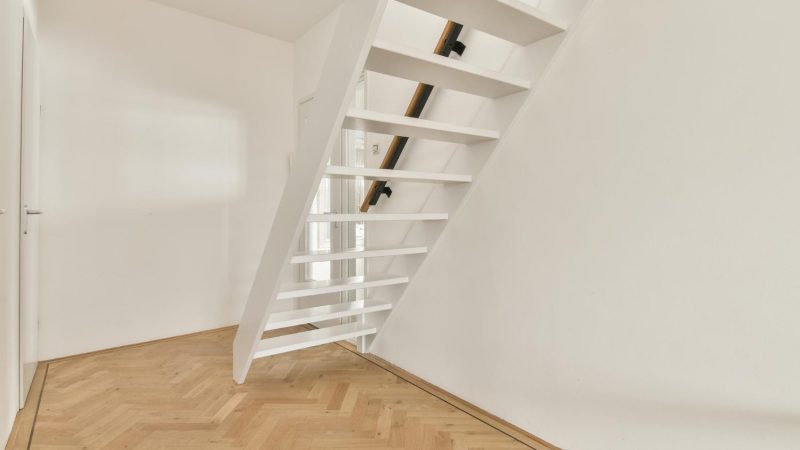
Every habitable loft conversion needs a proper staircase, and staircases vary considerably in cost depending on the design, materials and how complex the installation is. A straight flight staircase is the most cost-effective option. An L-shaped or space-saving staircase costs more but may be necessary where the available floor space on the floor below is limited.
The position of the staircase also affects cost. If it can be positioned over an existing landing with minimal disruption to the floor below, costs are lower. If significant restructuring of the floor below is needed to accommodate the staircase, this adds to the budget.
6. The En Suite
Adding an en suite bathroom to a loft conversion is one of the most popular choices and one of the most impactful for both daily life and property value. It also adds to the cost of the project. Plumbing a bathroom into a loft requires careful planning for soil pipes and hot water supply, and the cost of the bathroom itself varies widely depending on the specification you choose.
A simple, well-finished shower room adds less to the budget than a fully tiled wet room with underfloor heating and a freestanding bath. Being clear about your bathroom specification at the design stage keeps the costs predictable.
7. Windows and Glazing
The number, size and type of windows you specify affects cost. Standard Velux windows are competitively priced. Larger format glazing, bespoke dormer windows, bi-fold or sliding door openings onto a Juliet balcony, and triple glazing all add to the specification and the budget. Natural light is one of the most valued aspects of a converted loft, so windows are rarely an area to cut back on, but it’s worth being intentional about what you’re specifying.
8. The Finish and Specification
The structural conversion cost is relatively consistent across projects of similar type and size. Where costs vary more significantly is in the finish. Floor coverings, bathroom tiles, fitted storage, bespoke joinery, lighting specification and decoration all affect the overall budget. Being clear about the level of finish you want from the outset allows ST Lofts to provide an accurate, itemised quote that reflects your actual requirements.
9. Access and Location
Scaffolding is required for all loft conversions, and the cost of erecting and hiring scaffolding varies depending on the height of the property, the access available around the building and how long it needs to be in place. Properties in tight terraced streets or those with limited access around the perimeter may require more complex scaffolding arrangements.
10. VAT
Loft conversions on existing residential properties are subject to standard rate VAT at 20%. This applies to both labour and materials and should be factored into your budget from the outset. All ST Lofts quotes are provided inclusive of VAT so there are no surprises when the invoice arrives.
How to Get an Accurate Quote
The only reliable way to get an accurate cost for your specific loft conversion is to have a proper survey carried out on your property. Online calculators and ballpark figures are useful for initial budgeting but they can’t account for the specifics of your roof structure, your property’s planning position or your chosen specification.
ST Lofts offers free, no-obligation surveys across Bristol and the surrounding area. We’ll assess your roof space, discuss your requirements and provide a fully itemised quote that covers everything from structural work through to final decoration. No vague estimates, no hidden costs.
Frequently Asked Questions
Is a loft conversion worth the cost in Bristol?
For most Bristol homeowners, yes. Research by Nationwide suggests a well-executed loft conversion can add up to 24% to a property’s value. Combined with the cost savings of not moving, a loft conversion typically represents a strong return on investment.
Can I reduce the cost of a loft conversion by doing some work myself?
Some finishing work such as decoration can be completed by the homeowner after the main build is finished, which can reduce costs. Structural work, electrics, plumbing and anything covered by building regulations must be carried out by qualified professionals. Attempting to cut costs on these elements creates both safety risks and legal complications.
Does the cost include building regulations fees?
Building regulations application fees are a separate charge paid to the local authority. ST Lofts manages the application process on your behalf and will include guidance on the associated fees as part of your project.
How much should I budget for a loft conversion in Bristol?
Rather than give a figure that may not apply to your property, we’d encourage you to book a free survey. Every property is different and an accurate quote from a specialist is far more useful than a generic estimate. Book yours at stlofts.co.uk/contact.