If you’re trying to bring your energy bills down, loft insulation is usually the best place to start. It’s one of the simplest improvements you can make to a home, it lasts for decades, and in most houses it pays for itself within a few years. Yet a lot of Bristol homes still have far less than they should, or insulation that’s been squashed, disturbed or laid badly years ago.
Here’s how loft insulation actually works, how much you need, and how it fits in whether you’re using your loft for storage or converting it into a room.
Why the Loft Matters So Much
Warm air rises. In a house with little or no loft insulation, the heat from your radiators makes its way up through the ceiling and out through the roof. The Energy Saving Trust estimates that around a quarter of the heat in an uninsulated home is lost this way.
Insulation slows that down. Mineral wool and similar materials work by trapping pockets of still air, which is a poor conductor of heat. The more depth you have, and the less it’s compressed, the more slowly heat escapes. So your boiler runs less often to keep the house at the same temperature, and that’s where the savings come from.
How Much Insulation Do You Need?
The current recommended depth for mineral wool loft insulation is around 270mm. Many older homes have between 50mm and 100mm, which was standard decades ago but is a long way short of today’s levels.
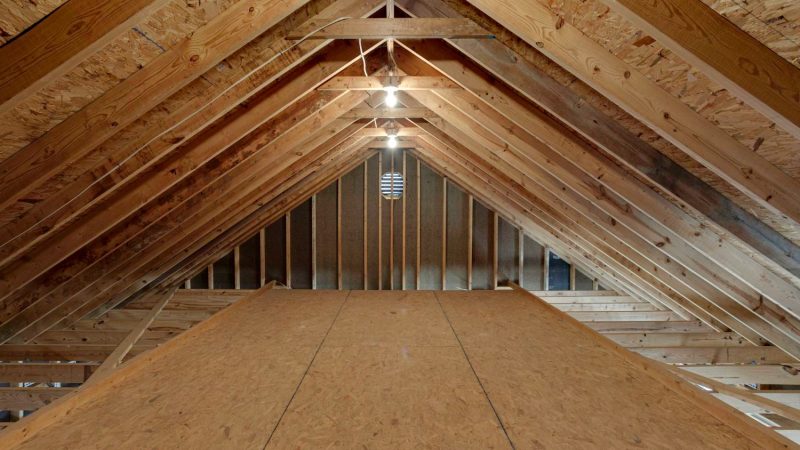
A quick way to check: if you can see the tops of your ceiling joists, you need more. Joists are usually around 100mm to 150mm deep, so insulation at the right depth should sit well above them. The usual approach is a layer between the joists and a second layer laid across them at right angles, which also covers the cold bridges that the timber joists create.
The Energy Saving Trust’s guide to roof and loft insulation has more on recommended depths and typical savings for different house types.
The Main Types of Loft Insulation
Mineral wool rolls (glass or rock wool) are the most common choice for insulating at the joists, where the loft space above stays cold. They’re affordable, easy to lay and very effective at the right depth.
Rigid insulation boards such as PIR boards are much thinner for the same performance. They’re used between and under the rafters when the roof itself needs insulating, which is what happens in a loft conversion or a “warm loft” setup.
Natural options such as sheep’s wool or wood fibre are also available. They cost more but are popular with people who want lower-carbon materials or who are dealing with older, breathable buildings.
The Storage Problem
Most people want to use their loft for storage, and the classic mistake is boarding straight over the joists. That crushes the insulation underneath, and squashed insulation loses a lot of its effect because the trapped air has been pushed out.
The fix is raised loft boarding. Support legs lift the new floor above the full depth of insulation, so you get a solid storage area without losing any warmth. This is what our loft boarding service does, and pairing it with a safe loft ladder and an insulated hatch makes the whole space practical without letting heat escape through the access point.
Ventilation and Condensation
Insulating the loft makes the space above the insulation colder, which is exactly the point. But cold lofts still need air moving through them, otherwise moisture from the house can condense on the underside of the roof.
Good practice is to leave the eaves clear so air can flow, insulate any pipes and water tanks in the loft (they’re now in a colder space and can freeze), and not to cover the top of the water tank with insulation. Getting this right is one of the reasons it’s worth having insulation fitted properly rather than just unrolled.
What Changes When You Convert Your Loft
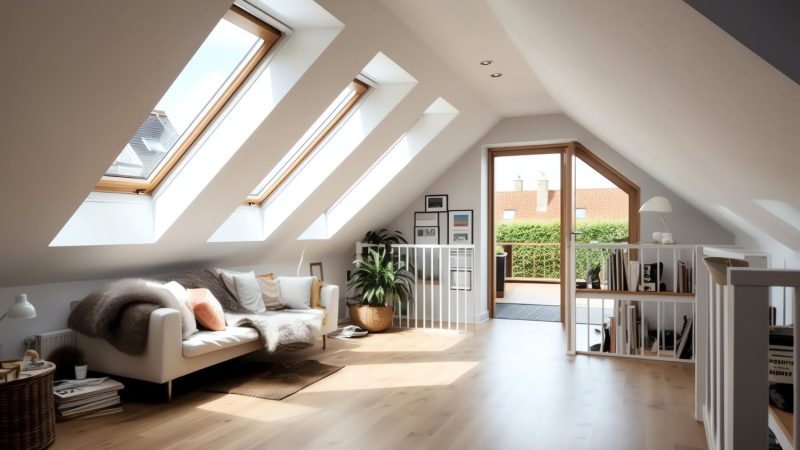
If your loft becomes a room, the insulation has to move. Instead of insulating at the floor and keeping the loft cold, a conversion insulates the roof slopes, the walls and any dormer so the new room is part of the heated house.
Loft conversions have to meet Part L of the building regulations, which sets the standard for how well the new roof and walls hold on to heat. You can read the Approved Document L guidance on GOV.UK if you want the technical detail. In practice, this usually means rigid insulation boards between and below the rafters, built to a much higher standard than the old roof ever was.
A well-built conversion can actually make the whole house warmer, because the top of the house is now properly insulated rather than relying on whatever was laid on the loft floor years ago. If you’re weighing up a conversion, our loft conversion cost calculator gives you an instant price for each type, and our full loft conversion page explains what’s involved from survey to finish.
Insulation and Your EPC
Loft insulation is one of the improvements that shows up on an Energy Performance Certificate. If you’re planning to sell or let your home, a better EPC rating can make it more appealing to buyers and tenants. The GOV.UK EPC page explains how ratings work and how to find your current certificate.
Can You Get Help With the Cost?
Depending on your circumstances, you may qualify for help through government schemes. The Great British Insulation Scheme can cover loft insulation for eligible homes, and the government’s energy efficiency page lists the other support currently available.
More Ways to Keep Warm
Insulation is the biggest single win, but it works best alongside draught-proofing and sensible use of your heating. We’ve put together some simple tips on how to keep the heat in your home this winter, most of which cost very little.
If you’d like us to check your loft insulation, sort out boarding without squashing it, or talk about converting the space altogether, get in touch for a free survey. You can see everything we do on our services page.