Working from home has changed the way we think about our living spaces. For many Bristol homeowners, the spare room that doubled as an office has become a bedroom again as family circumstances change, and the kitchen table just isn’t cutting it anymore. If you’ve got an unused loft, converting it into a dedicated home office could be the solution you’ve been looking for.
Here’s everything you need to think about.
Why a Loft Makes Such a Good Home Office
Before getting into the practicalities, it’s worth understanding why a loft office works so well. The loft sits at the top of the house, physically separated from the main living areas by at least one floor. That separation means less noise from the rest of the household, fewer interruptions and a clearer mental boundary between work and home life.
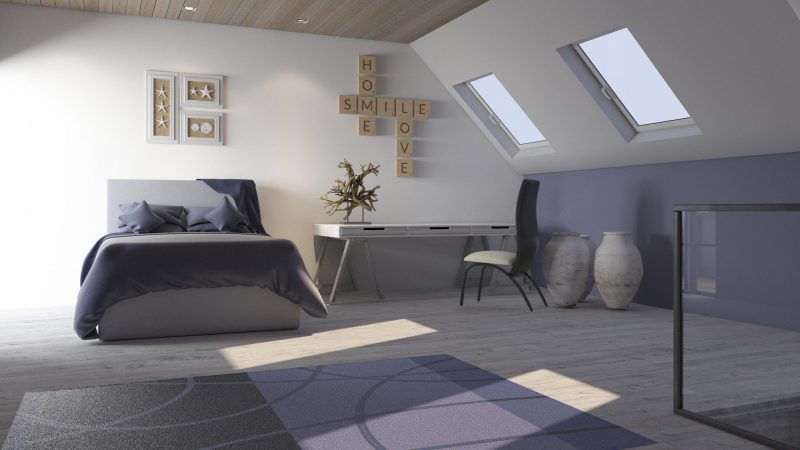
Add in the natural light that comes from well-positioned roof windows and you’ve got a working environment that many homeowners tell us is the best room in the house.
Step 1: Check Your Loft’s Suitability
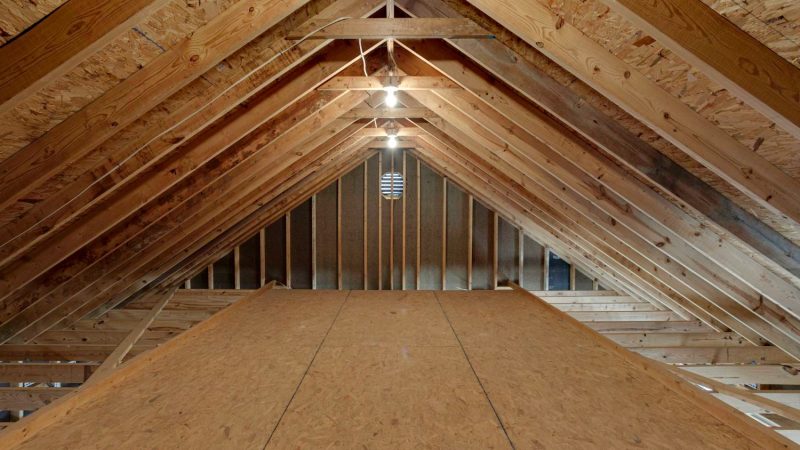
Not every loft is immediately suitable for conversion, but many are. The key measurements to check are headroom and floor area. As a general guide, you’ll need at least 2.2 metres of headroom from the floor joist to the ridge of your roof for a conversion to be feasible.
The quickest and most reliable way to establish suitability is to book a free survey with ST Lofts. We’ll come out, measure your roof space accurately and give you a straight answer on what’s achievable before you commit to anything.
Step 2: Choose the Right Type of Conversion
For a home office, the type of conversion you choose will depend on your existing roof structure and how much space you need.
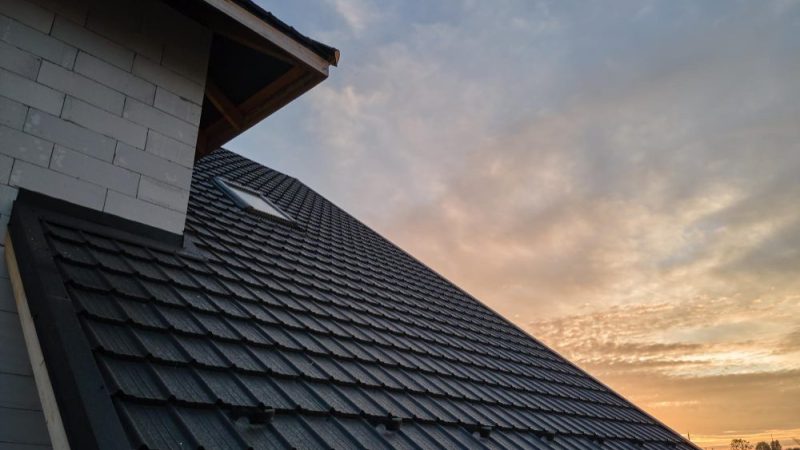
A Velux or roof light conversion is the most cost-effective option and works well for a compact home office where the existing headroom is already sufficient. Velux windows flood the space with natural light and keep structural alterations to a minimum.
A dormer conversion creates significantly more usable floor space and full standing headroom across a larger area of the room. If you need space for multiple screens, a standing desk, storage for equipment or the occasional client meeting, a dormer gives you considerably more to work with.
Step 3: Think About Natural Light
Good lighting is essential for a productive working environment. Roof windows are excellent for this because they let in considerably more light than a vertical window of the same size. The position of the windows matters too. North-facing roof windows provide consistent, glare-free light that works particularly well for screen-based work. South-facing windows bring in more warmth and direct sunlight, which can cause screen glare in the afternoon.
Your ST Lofts surveyor will advise on window positioning based on your roof orientation and working habits.
Step 4: Get the Insulation Right
A poorly insulated loft office will be uncomfortably cold in winter and unbearably hot in summer. Good insulation is non-negotiable, and fortunately building regulations require it as standard for all loft conversions. High-performance insulation between and below the rafters ensures the room maintains a comfortable temperature year-round without excessive heating or cooling costs.
Step 5: Plan Your Electrics Carefully
A home office has specific electrical requirements that are worth planning carefully at the design stage. Think about how many plug sockets you’ll need and where, whether you want USB charging points built in, what your lighting requirements are, and whether you need a dedicated circuit for high-draw equipment.
Getting the electrics right during first fix is considerably easier and cheaper than making changes after plastering. Talk through your requirements with your ST Lofts project manager before work begins.
Step 6: Sort Your Connectivity
A home office is only as good as its internet connection. Before your conversion begins, think about how you’ll get a strong, reliable signal to the loft. Options include running a ethernet cable from your router during first fix, which is the most reliable solution, or ensuring your WiFi router or a mesh network node is positioned to give adequate coverage to the new room.
Running a network cable during first fix costs very little and saves considerable frustration later. It’s worth doing even if you currently rely on WiFi.
Step 7: Consider Acoustic Insulation
One of the main benefits of a loft office is separation from household noise. You can enhance this further by specifying acoustic insulation in the floor of the loft conversion, which reduces sound transmission between the loft and the rooms below. If you regularly take video calls or need a quiet environment for focused work, this is a worthwhile addition.
Step 8: Think About Storage
The sloped sections of a loft room where headroom is reduced are ideal for fitted storage. Bespoke storage built into the eaves space keeps the main floor area clear and makes excellent use of every square foot. If you work with physical files, equipment or materials, building in adequate storage from the outset makes the office far more functional.
What Will It Cost?
The cost of a loft office conversion in Bristol depends on the type of conversion, the size of your roof space and the specification you choose. A Velux conversion at the more straightforward end of the scale will cost less than a full dormer, but both deliver a genuinely excellent home office space.
ST Lofts provides fully itemised, transparent quotes after your free survey so you know exactly what you’re committing to before work begins.
Frequently Asked Questions
Do I need planning permission for a loft office conversion in Bristol?
Most loft conversions in Bristol fall under permitted development rights, meaning no planning permission is required. The use of the room as an office rather than a bedroom makes no difference to the planning position. Conservation area restrictions may apply to some properties.
How long does a loft office conversion take?
Most projects take between six and ten weeks on site, depending on the type of conversion. A Velux conversion will typically be at the quicker end of that range.
Can I claim tax relief on a loft office conversion?
If you use the room exclusively for work and are self-employed, there may be tax implications to consider, both in terms of allowable expenses and potential capital gains tax implications if you sell. We’d recommend speaking to an accountant for guidance specific to your circumstances.
Will a loft office add value to my home?
Yes. A converted loft adds value regardless of how the room is used. Estate agents and valuers count usable square footage, and a well-finished loft room with building regulations sign-off contributes positively to the property’s value.